
Last updated: October 10, 2026
- What search intent means for rankings
- Why the same keyword can rank different pages
- How do I tell what search intent a keyword has?
- The mismatch that hurts keyword rankings most
- The failure pattern most generic advice ignores
- A simple way I would match content to intent
- What should I change first when a keyword ranks poorly?
Search intent affects keyword rankings because a page can target the right phrase and still miss the reason someone typed it. Quick answer: the right intent match often matters more than exact wording, and a page can lose rankings even when the keyword is present. If the intent behind a query is informational and the page reads like a product pitch, rankings usually stall. If the intent is commercial and the page only explains definitions, the page often loses to reviews, comparisons, or category pages. I’m writing for the person who has already done keyword research and now needs to know why a “good” keyword does not behave like a good ranking opportunity.
What search intent means for rankings
Search intent is the reason behind a query, and it is the first filter that decides which pages earn visibility. A keyword can carry one dominant intent or several mixed signals, but the ranking pages almost always show the same pattern: they satisfy the task implied by the query. Google’s own guidance on helpful, people-first content reinforces that this fit matters, and search intent can be reviewed with an SEO professional if the results are unclear. See Google Search Central: https://developers.google.com/search/docs/fundamentals/creating-helpful-content
For example, “what is search intent” usually rewards explanatory articles, not a sales page. A query like “best keyword research tools” tends to reward listicles, product roundups, or comparison pages because the user is still choosing. A query like “keyword difficulty checker” often pulls up tools, not lessons. The wording matters, but the implied job matters more.
That is why keyword rankings are not just about matching words on the page. They are about matching format, depth, and page type to the query’s purpose. A strong title tag can get a click, but if the page format is wrong, the ranking tends to be unstable. Search engines have become better at reading the shape of satisfaction: does the page answer the question, help choose a product, let someone compare options, or let them complete a task?
I would not treat intent as a thin SEO concept. I would treat it as the blueprint for the page, with a professional review if the query has business stakes. Google’s Search Central guidance on helpful content is a safe starting point: https://developers.google.com/search/docs/fundamentals/creating-helpful-content If the page type is wrong, the keyword usually underperforms no matter how clean the on-page optimization looks.
Why the same keyword can rank different pages
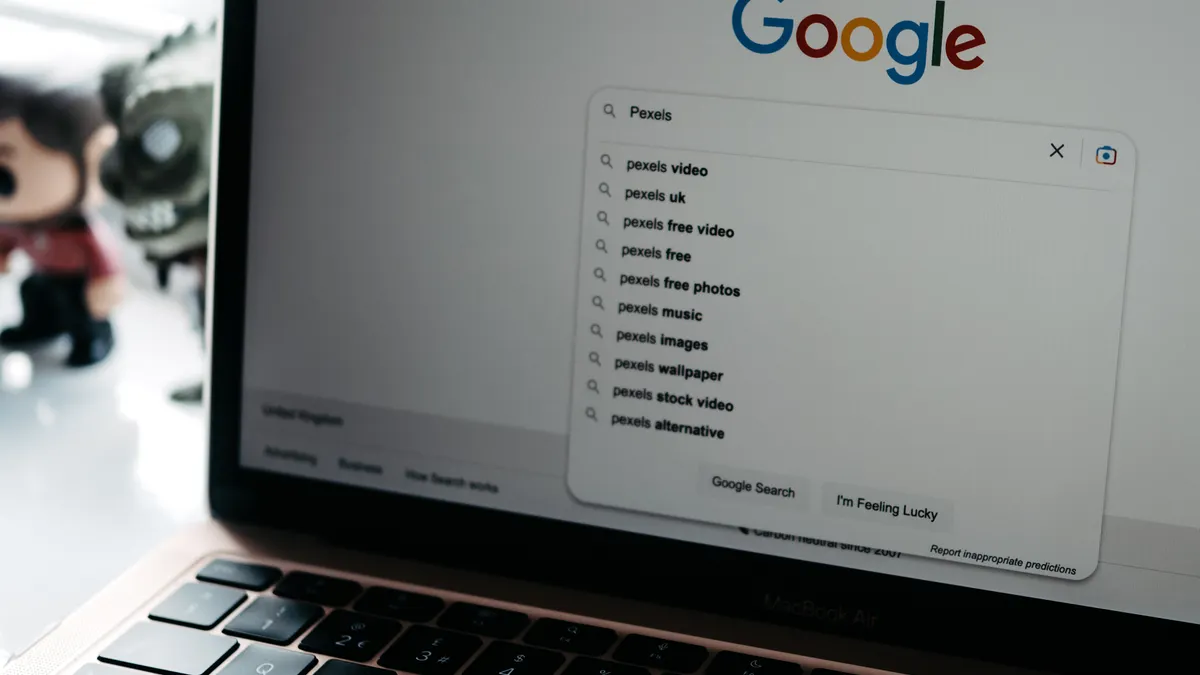
The same keyword can rank different page types because intent is often blended, not pure. A single query may attract a guide, a landing page, a tool, and a review page, depending on which need is strongest. That is one reason keyword ranking reports can look inconsistent even when the content is solid.
Take a phrase like “email marketing software.” One searcher wants definitions, another wants a shortlist, and a third wants to sign up. A search engine has to infer which result type best fits the majority pattern. If the results page is full of category pages and comparison articles, a lone tutorial will usually struggle. If the results page is full of educational content, a transactional page may fail to climb until it adds more explanatory sections.
This is where generic keyword advice often goes wrong: it treats rank as a math problem, though an SEO professional may still use data to guide the call. It is not. It is a relevance problem, and relevance is judged against the live results page, not against a keyword list in a spreadsheet. Backlinko’s review of click-through behavior is a useful reminder that ranking is influenced by how searchers respond to results: https://backlinko.com/google-ctr-stats
If I were auditing a keyword, I would check three things before writing a draft:
- What page types already rank in positions 1–10.
- Whether the query contains comparison words like “best,” “vs,” “review,” “pricing,” or “near me.”
- Whether the current top results answer, compare, or sell.
That does more for ranking prediction than chasing exact-match phrasing. It also explains why two pages with similar keyword usage can perform differently: one matches intent cleanly; the other forces the wrong task onto the reader.
How do I tell what search intent a keyword has?
I tell search intent by reading the query, the results page, and the page types that already win. That three-part check is more reliable than guessing from the keyword alone, though an SEO consultant may still refine it for a competitive topic.
First, read the wording. “How to,” “what is,” and “why” usually point toward informational intent. “Best,” “top,” and “alternatives” usually point toward commercial investigation. “Buy,” “pricing,” “coupon,” and “free trial” often signal transactional intent. These are not rigid rules, but they are useful starting points.
Second, look at the results page itself. The top 10 results reveal the task search engines think the query is supposed to solve. If the results are mostly listicles and review pages, a product page is probably too soon. If the results are mostly direct tool pages, a long guide may be too slow.
Third, inspect the SERP features. A featured snippet, “People also ask” box, product modules, maps, or video results all hint at the kind of satisfaction the engine expects. A query that triggers a dense answer box often rewards concise, structured explanations. A query that triggers product modules usually needs comparison or purchase support. For a broader view of how search features appear, Google’s own Search Central documentation is the most authoritative reference: https://developers.google.com/search/docs
This is also where intent drift appears. A keyword can start informational and move commercial as the user gets closer to action. That is why ranking pages often need layered structure: definition first, then criteria, then options, then next steps. A page that stays at 101-level detail may win traffic but lose conversions. A page that jumps into selling may never earn the traffic.
The practical move is simple: align the page format with the dominant intent, then add the next logical layer only if it helps the user finish the task.
The mismatch that hurts keyword rankings most
A major mismatch that hurts keyword rankings is when a page answers the keyword instead of the intent. That sounds subtle, but it is the difference between a page that feels useful and one that feels irrelevant.
A classic example is writing a product page for an informational query. If someone searches “how search intent affects keyword rankings,” they are not ready for a demo. They want a clear explanation of why rankings move, how to diagnose a mismatch, and what page changes fix it. A transactional page can still contain that information, but it cannot hide the answer under a sales pitch.
The reverse mismatch is just as damaging. A page that explains concepts in detail may fail on a commercial investigation query because it never helps the reader choose. If the query is “best content optimization tools,” the page needs evaluation criteria, categories, and a comparison structure. Pure education feels incomplete.
This is also why keyword rankings can plateau even after technical fixes. Crawlability, titles, and internal links matter, but they cannot rescue a page whose intent is off by one level. I would call that a content architecture problem, not a keyword problem.
There is a second cost here: the wrong intent can weaken engagement signals. If visitors bounce because the page format does not fit their goal, the page sends a poor satisfaction signal back into the system. I am being careful with that claim because search engines do not publish a simple formula, but the practical effect is visible: pages that miss intent rarely hold positions for long. Semrush’s guidance on search intent is a practical reference for this kind of analysis: https://www.semrush.com/blog/search-intent/
Who this is not for: anyone trying to “hack” rankings by stuffing a keyword into a page type that does not belong. That usually burns time and creates content that nobody wants to finish.
The failure pattern most generic advice ignores
The failure pattern is not “low keyword density.” It is a page built for the publisher’s goal instead of the searcher’s goal. That mistake costs rankings because the content answers the wrong question first.
A lot of SEO advice tells people to add more keywords, more headings, or more detail. Those fixes can help, but only after the intent is right. If the query wants a fast comparison, a 3,000-word tutorial can be too heavy. If the query wants a definition, a page stuffed with product blocks can feel manipulative. If the query wants immediate action, a broad guide may delay the decision past the point of usefulness.
The cost shows up in three places. First, ranking ceiling: the page may reach the middle of the results page but fail to break into the top tier. Second, click quality: people land, realize the mismatch, and leave. Third, link attraction: other sites are less likely to cite a page that does not settle the question cleanly.
That is why I treat intent as an editorial decision, not just an SEO label, and an editor or SEO professional can help validate the call. It decides the page’s opening, the evidence it needs, the call to action, and even the length. A page built around intent can be shorter and stronger than a bloated page built around keywords.
The trade-off is real. Tight intent matching can narrow the page’s reach. A focused page may rank very well for one query pattern and do little for another. That is usually worth it. Broad pages often try to please everybody and end up ranking weakly for everyone.
A simple way I would match content to intent
I would match content to intent by choosing the page type before I draft a sentence. That keeps the article from wandering into the wrong format halfway through.
Here is the short version:
- Informational intent: definition, explanation, examples, and a clear next step.
- Commercial intent: comparison, pros and cons, selection criteria, and a shortlist.
- Transactional intent: product details, proof, pricing context, trust signals, and action paths.
That framework is simple, but it prevents the most common ranking mistake. If the keyword is informational, the page should educate quickly and clearly. If the keyword is commercial, the page should help the reader narrow choices. If the keyword is transactional, the page should remove friction and answer objections.
A strong page often does more than one thing, but not all at once. The opening should match the dominant intent. The middle can support adjacent questions. The close should point to the next action, whether that is reading another guide, comparing options, or taking a purchase step.
I would also keep an eye on format signals. Bullets help for comparison. Short definitions help for featured snippets. Tables help when users need differences at a glance. Long narrative sections help when the user needs context before making a choice. The format itself is part of intent matching.
What should I change first when a keyword ranks poorly?
I would change the page’s intent match before changing anything else. That means I would rewrite the opening, reshape the headings, and adjust the page type to fit the query’s dominant goal.
Start with the first screen of content. If the page is meant to explain, the opening should define the term and set the frame within the first paragraph. If the page is meant to compare, the opening should state the decision the reader is trying to make. If the page is meant to convert, the opening should address the offer and the main objection.
Then fix the section order. A page that buries the answer under background material often underperforms. A page that gives the answer early and expands only where needed is easier to rank because it satisfies more quickly.
Finally, audit the title and meta description for intent cues. A title that sounds informational may not earn clicks on a commercial query. A title that sounds commercial may repel readers on a research query. The words do not need to be flashy. They need to make the page’s job obvious.
Key Takeaways
- Keyword rankings depend on the purpose behind the query, not just the phrase itself.
- The live results page is a better guide than a keyword list.
- A page can lose rankings simply because it is the wrong format for the intent.
- Informational, commercial, and transactional queries usually need different structures.
- The fastest fix is often to change the opening and section order, not to add more text.
FAQ
Does search intent matter more than keyword volume?
Yes, because volume without intent fit often produces traffic that does not hold rankings.
Can one page rank for multiple intents?
Yes, but only when the page handles one dominant intent first and supports the others without muddying the main task.
Why do my rankings drop after I add sales content?
Because the page may have shifted from answering the query to pitching before the reader got what they came for.
How do I know if a keyword is commercial or informational?
I look at the wording, the current top-ranking pages, and the SERP features. If comparison and product pages dominate, the intent is probably commercial.
Drafted with AI; not yet reviewed by a person.
Leave a Reply